
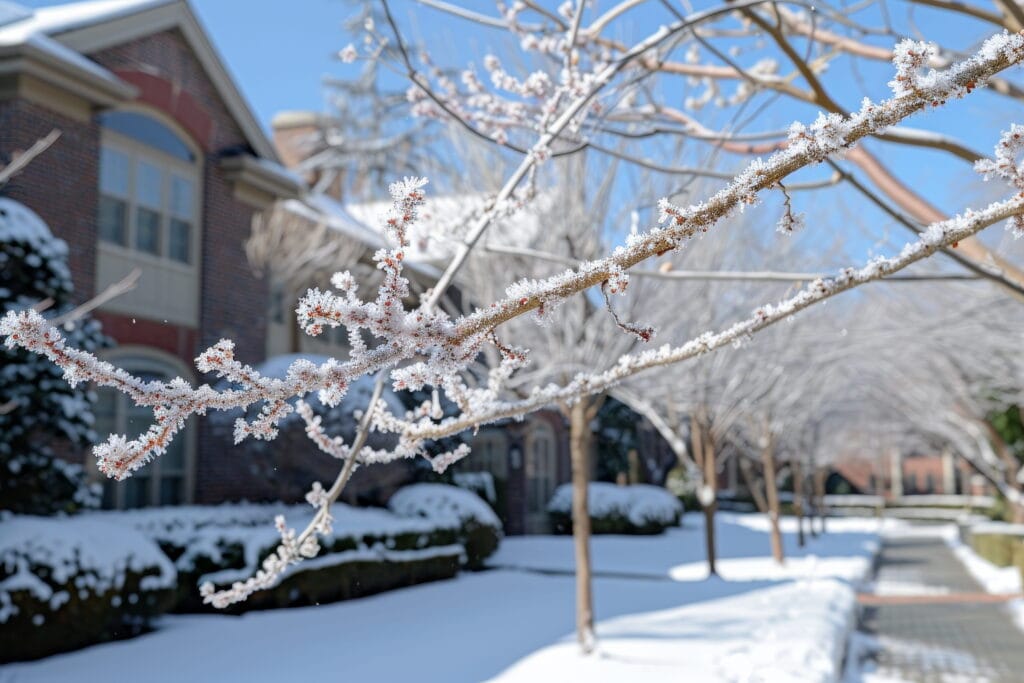
North Carolina isn’t built for heavy snow, which is exactly why the recent historic snowfall caught so many property owners off guard. When cities like Charlotte, Greenville, and Wilmington each received 10–12 inches of snow, the challenges went far beyond inconvenience. Roads became impassable, emergency response slowed, and many properties were left unprepared for prolonged ice, freezing temperatures, and limited access.
For property owners in the Triangle, this storm served as a clear warning: extreme weather is no longer a once-in-a-generation anomaly. It’s something every owner needs to plan for, especially when tenant safety and liability are on the line.
Snow Reveals the Weak Points Fast
One of the biggest takeaways from this storm is how quickly snow exposes operational gaps. Properties without a clear winter protocol struggled to coordinate snow removal, communicate with tenants, or assess safety risks in real time.
In several areas, untreated walkways, icy stairwells, and blocked parking lots became hazards within hours. When snow lingered and refroze overnight, small oversights turned into ongoing safety issues. The lesson is simple: winter preparedness can’t start after the first snowfall, it has to be planned well in advance.
Access Is a Safety Issue, Not a Convenience
Many property owners underestimate how critical access becomes during severe weather. When driveways, entrances, and common walkways aren’t cleared promptly, tenants may be unable to leave for work, access medical care, or receive emergency assistance.
In cities unaccustomed to snow, municipal response times were stretched thin. That reality shifts more responsibility onto property owners to ensure safe access within their own properties. Clear paths, visible hazard mitigation, and documented efforts matter, not just for tenant well-being, but also for liability protection.
Communication Matters as Much as Maintenance
Another clear pattern across affected cities was the difference between properties that communicated early and those that stayed silent. Tenants want to know what’s happening, what’s being done, and what’s expected of them during severe weather.
Uncertainty increases frustration and risk. Proactive communication, about snow removal schedules, safety precautions, and emergency contact procedures, helps reduce accidents and prevents misunderstandings. Even when conditions can’t be resolved immediately, transparency goes a long way in maintaining trust.
Ice Is the Real Enemy
While snowfall gets the headlines, ice is what creates the longest-lasting danger. Melting snow that refreezes overnight turns parking lots, sidewalks, and entryways into serious hazards. Several properties across the state faced repeated issues because ice management wasn’t part of their initial response.
Effective winter protocols include not just plowing, but also salting schedules, follow-up inspections, and ongoing monitoring as temperatures fluctuate. Ice-related slips and falls are among the most common sources of weather-related liability for property owners.
Documentation Protects Property Owners
In the aftermath of the storm, documentation became critical. Properties that kept records of snow removal efforts, vendor coordination, and tenant communications were far better positioned to defend themselves against complaints or claims.
Photos, timestamps, service logs, and written notices all serve as proof that reasonable steps were taken to maintain safety. In contrast, properties without documentation were left vulnerable, even if some effort had been made.
What Triangle Property Owners Can Learn
The Triangle may not have been hit as hard as other regions this time, but that doesn’t mean it won’t be next time. The experiences of Charlotte, Greenville, and Wilmington highlight what happens when extreme weather meets insufficient planning.
Property owners who take these lessons seriously can avoid the most common mistakes such as delayed responses, unclear communication, and inconsistent safety measures. Preparation isn’t about overreacting, it’s about having systems in place before they’re urgently needed.
How Professional Management Prevents Costly Errors
Severe weather tests more than buildings; it tests processes. Coordinating vendors, inspecting properties, communicating with tenants, and documenting actions all at once is difficult without established protocols.
That’s where experienced property management makes a measurable difference. At Oak City Properties, winter safety planning isn’t reactive. It’s proactive. From vendor relationships to emergency communication procedures, the focus is on reducing risk before weather exposes weaknesses.
For Triangle property owners, learning from this historic snowfall now can prevent far bigger problems later.
The Bottom Line
Snow in North Carolina may be rare, but its impact is serious when it arrives. Property safety, access, and communication are not optional during severe weather, they are essential responsibilities.
The recent storm showed exactly what can go wrong when preparation is lacking. It also showed what’s possible when owners take safety and protocols seriously. For those willing to learn from it, this historic snowfall can become a turning point rather than a cautionary tale.
Oak City Properties is Here to Help
At Oak City Properties, we’re here to support your real estate journey, whether you’re a seasoned flipper or just starting. We provide custom solutions and competitive quotes that tailor our services to what you really need. Our full property management service will work with you each step of the way when renting and maintaining your property. We believe hiring a property management company should be a transparent process built on trust and doing our absolute best to take care of your investment.
Want to learn more about our commitment to effective real estate investing and property management? Contact us today via the form below or call (919) 232-9222.
Interested in reading more? Check out these other blogs that you might find helpful.